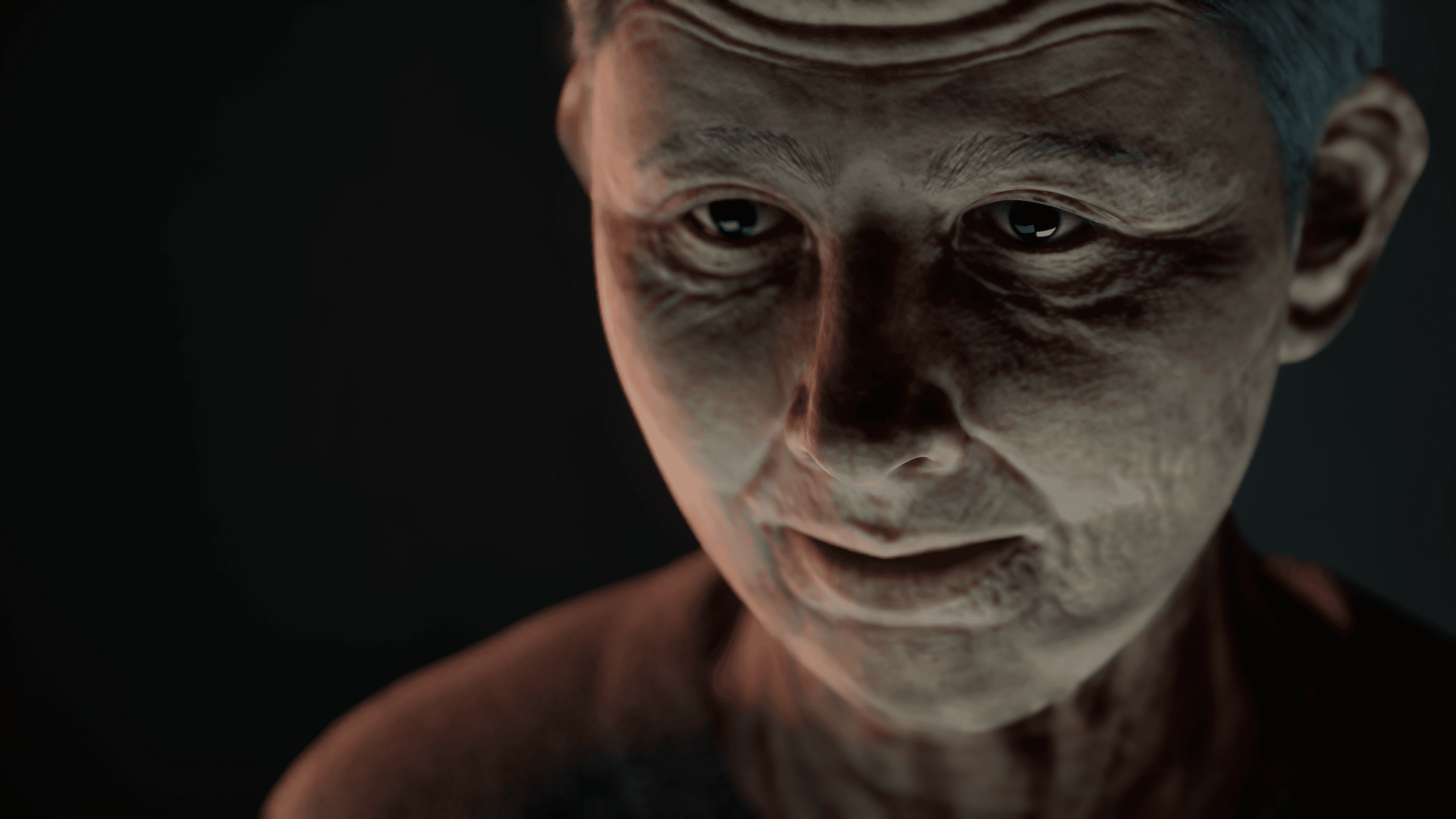
As AI moves beyond text-based chat, the relationship between humans and intelligent systems becomes increasingly complex. IVA brought together research on agent behaviour, embodiment, trust, multimodal interaction and human oversight, all of which directly intersect with my work on conversational AI, digital avatars and responsible interaction design.
Agent systems and digital avatars
Intelligent agents increasingly combine language, voice, memory, behaviour and visual embodiment.
Digital avatars add another layer to this interaction. Facial expression, timing, voice, movement and perceived personality can strongly influence how users interpret an AI system, often before they understand anything about the underlying technology.
For me, this makes the design of agent systems and digital avatars more than a visual or interface problem. It becomes a question of identity, social behaviour, trust and control.
Human-AI interaction beyond chat
Many AI products still organise interaction around a prompt and a response. Intelligent virtual agents point toward a broader design space.
Voice interfaces, multimodal systems, spatial computing and embodied AI allow interaction to unfold through language, gesture, behaviour and context. Greater autonomy also changes the role of the human from simply operating a tool to guiding, supervising and collaborating with an intelligent system.
This raises important design questions around uncertainty, intervention, control and how an agent should communicate what it is doing.
Trust, agency and responsible AI
The more socially present or autonomous an AI system becomes, the more important its boundaries become.
Evaluation, transparency, privacy, traceability and human oversight become especially relevant when AI systems move into sensitive or public-facing contexts.
In my own work, I am particularly interested in how interaction design can make these systems understandable and controllable without reducing the richness of the interaction.
From research to working systems
IVA was especially valuable as a bridge between academic research and applied design.
My practice often moves between these two contexts: studying emerging technologies and then translating them into working prototypes, AI products and interactive experiences that can be tested with people.
The conference offered useful perspectives on how intelligent agents are evolving technically, but also on the interaction patterns that will be needed as AI becomes more autonomous, multimodal and socially embedded.
Connecting research, design and technology
The conference brought together perspectives from artificial intelligence, HCI, conversational systems, digital avatars and social computing.
For me, the most interesting work happens at exactly this intersection: not only making AI systems more capable, but determining how those capabilities should appear, behave and remain controllable in human interaction.
Let’s keep in touch.
Discover more about our projects, pilots and interactive design. Follow us on LinkedIn and Instagram.