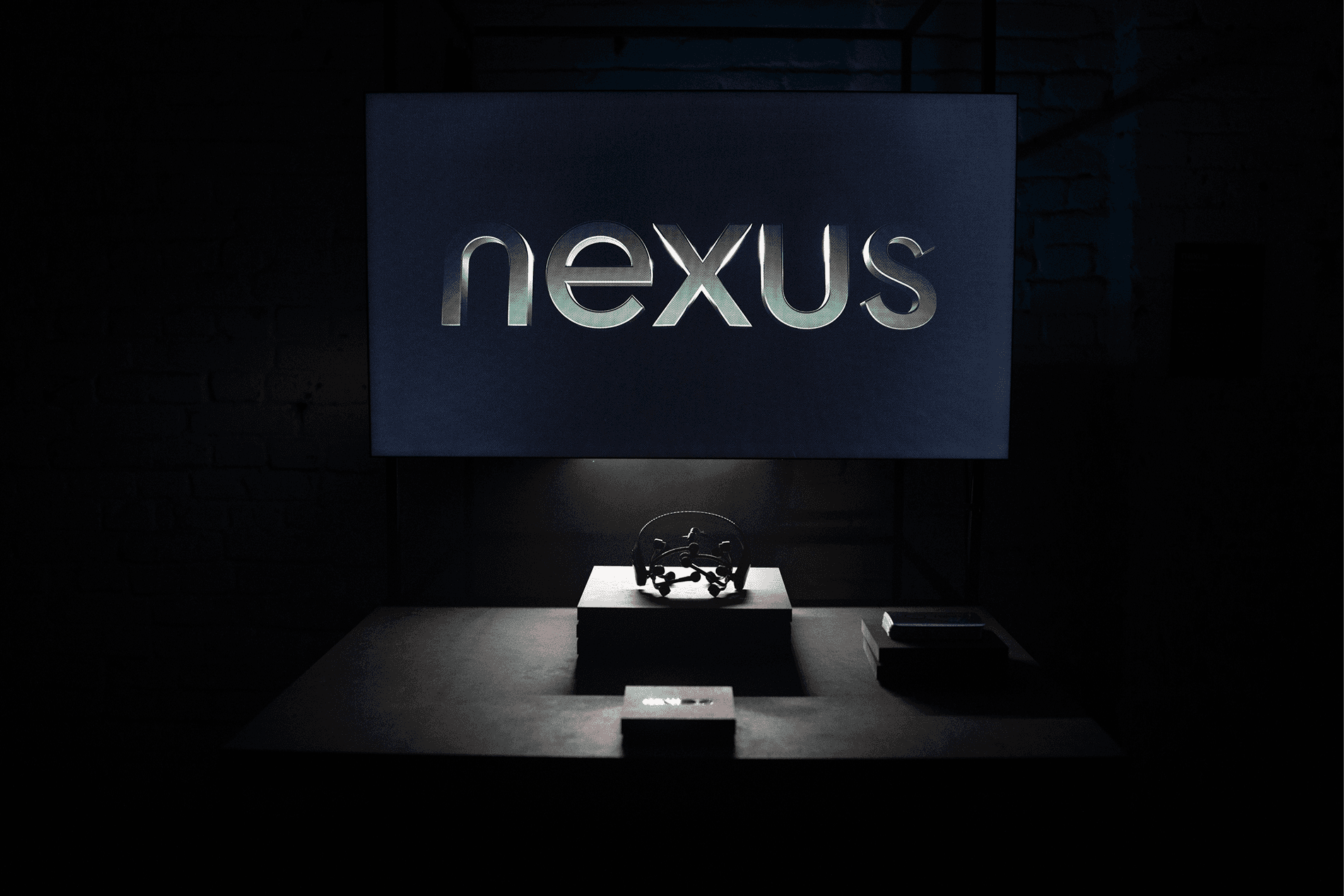
n≠1 is a real-time AI avatar system combining conversational AI, synthetic voice and high-fidelity 3D characters. It enables responsive, context-aware interaction with digital representations across different interfaces and environments.
I designed and built the conversational architecture and real-time interaction system behind the digital avatar experience. My work included dialogue and context logic, conversational memory, speech processing, behavioural control, real-time avatar responses and the integration of these components into an embodied spatial experience.
n≠1
Conversational Digital Avatar System


Cooperation Partners
Partner
International recognition
Lumen Prize Finalist '24
Featured in

Next-gen AI Digital Avatar System.
16+ exhibitions & showcases
Ars Electronica, Berlin Design Week, IVA and more.
Invited talks
Alexander von Humboldt Institute for Internet and Society, Max Planck Institute for Human Development and more.
Research collaborations
Ongoing work around digital avatars and human–AI interaction with ETH Zurich and DFKI.
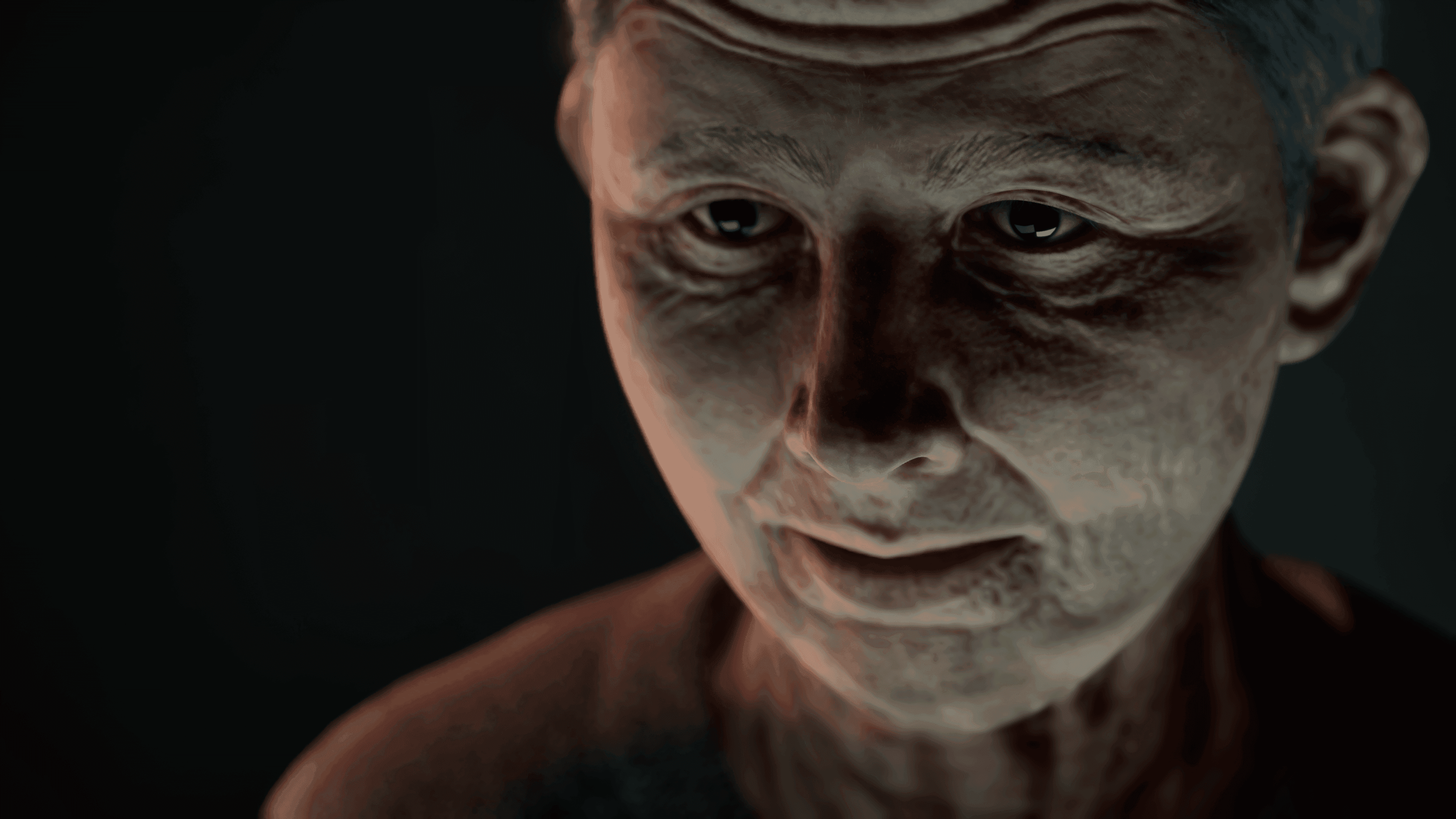
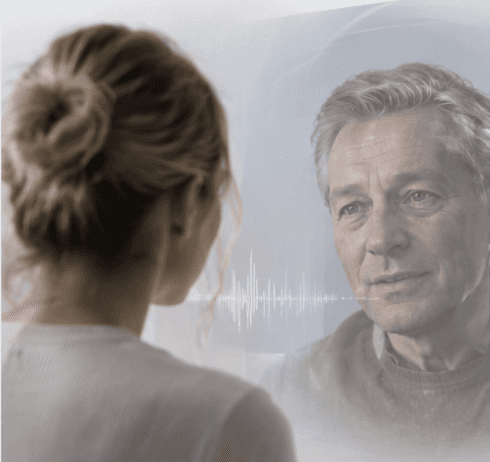
n≠1 enables real-time conversation with a digital representation of a real person.
The user speaks directly to the avatar in natural language. The system generates context-based responses and translates them into synthetic speech, facial animation and gaze behaviour in real time.
01
Open-ended conversation
02


Identity-grounded responses
03

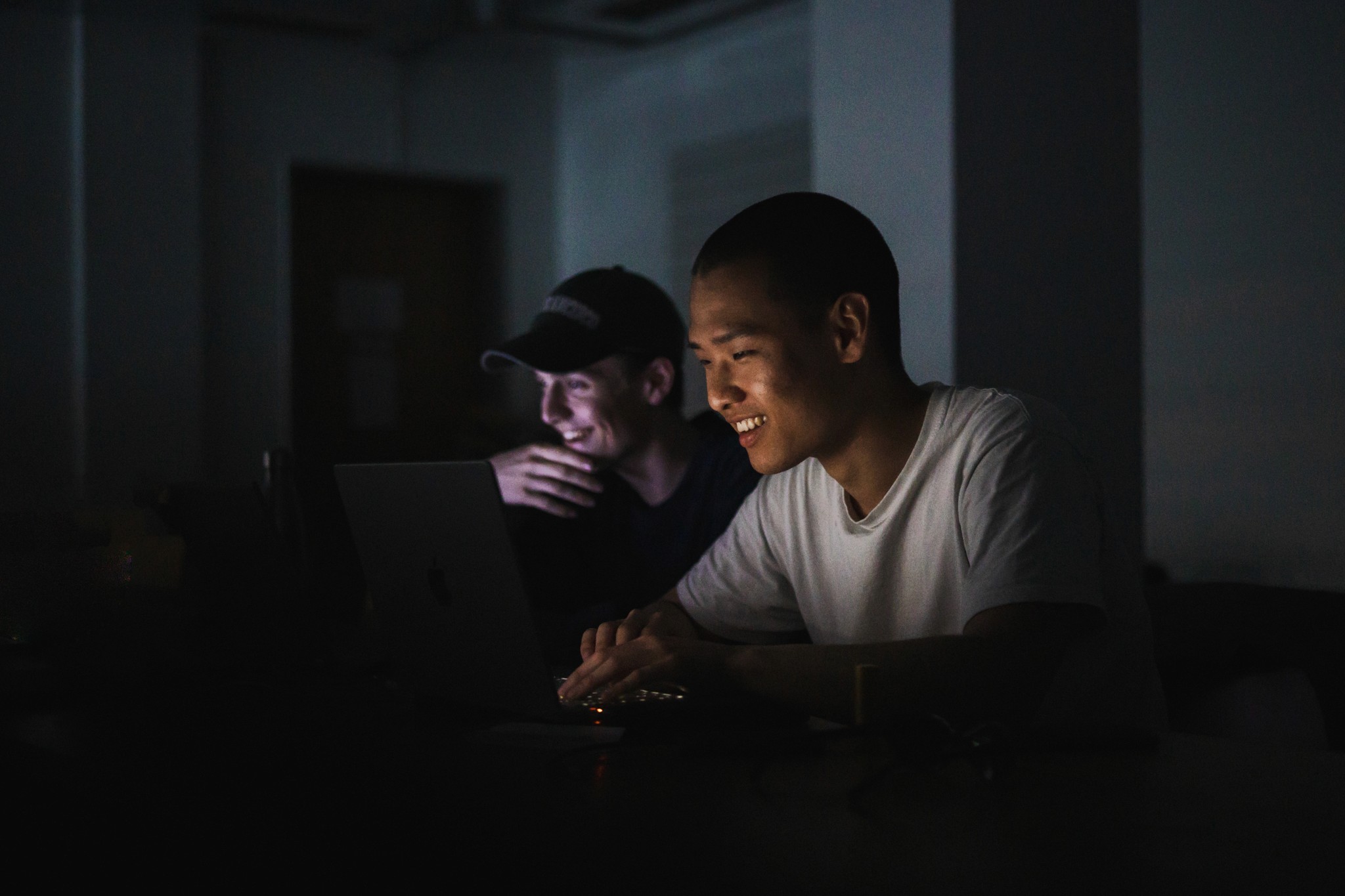
Voice and facial output
04

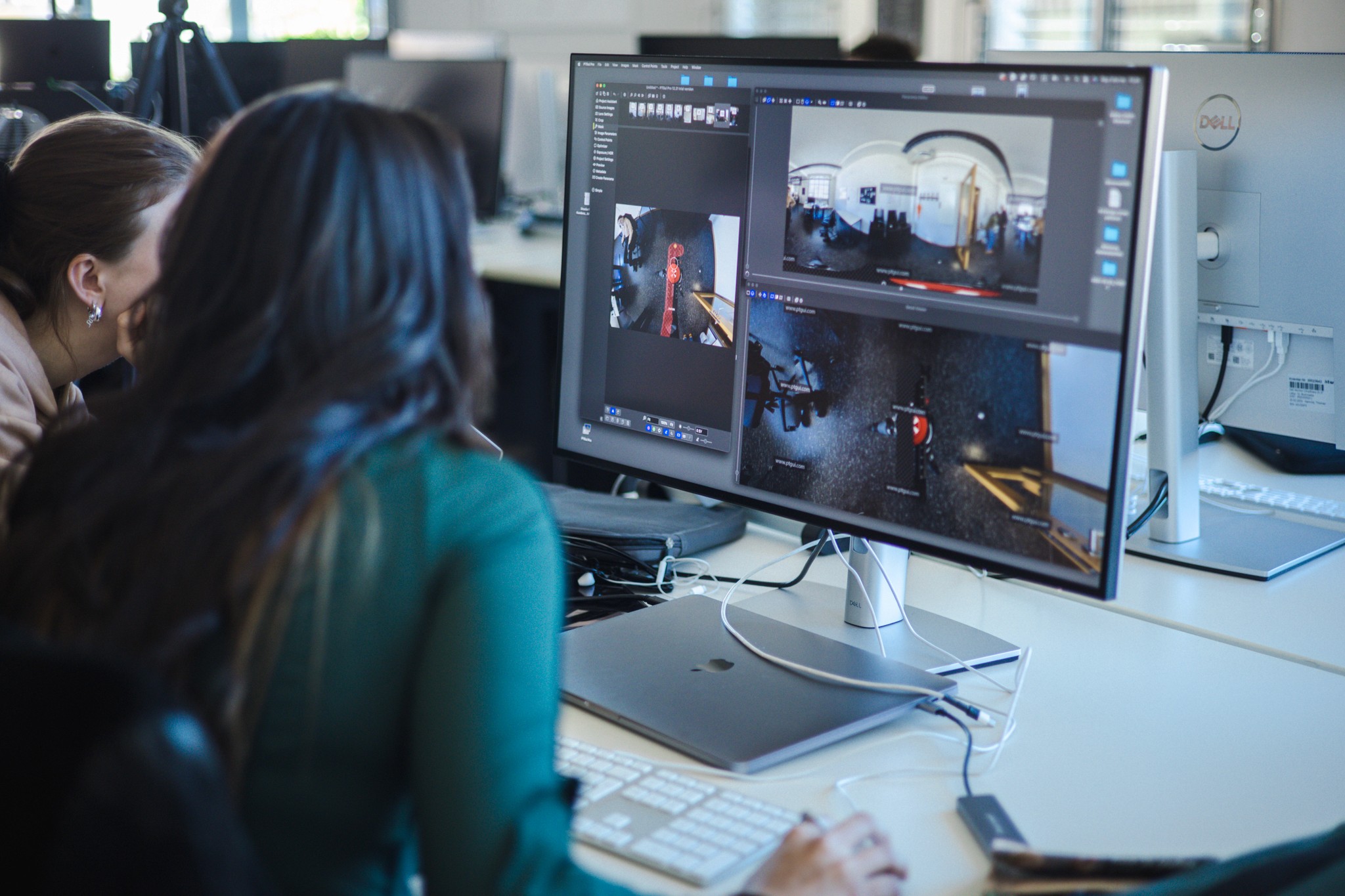
Real-time avatar behaviour
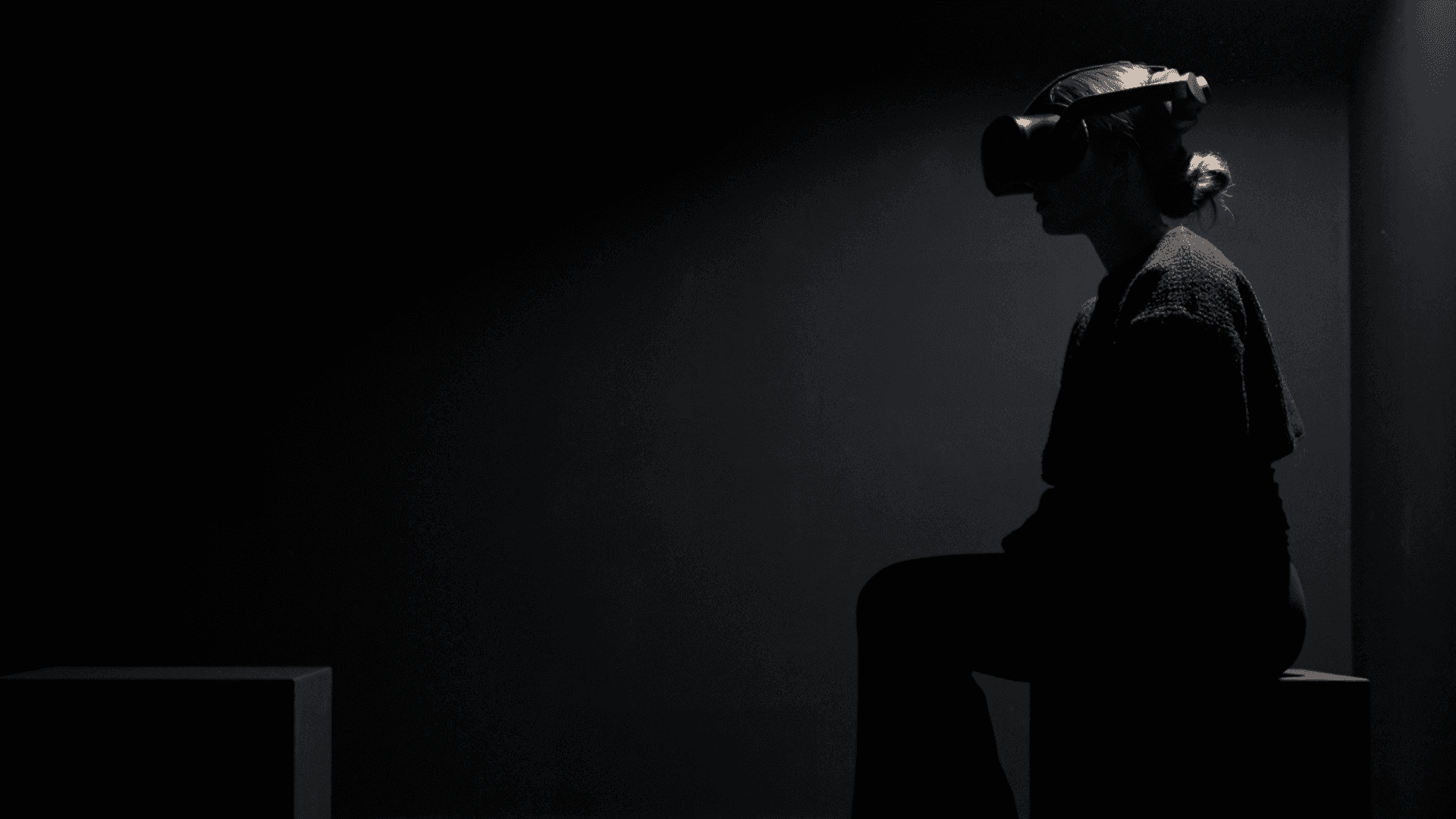
Conversational avatars can be adapted to different people, knowledge bases and interaction contexts.
The underlying system is not tied to a single use case. By changing the source material, character model and interaction setup, the same architecture can support different applications.
Digital avatars raise fundamental questions around identity, consent, privacy and the psychological effects of representing real people through AI.
n≠1 uses bereavement as a high-stakes research context to examine these risks. The project looks at who can create and control a digital representation, how personal data and source material are handled, how generated behaviour is distinguished from authentic records, and how continued interaction may affect memory, attachment and experiences of loss.
The project grew into an ongoing research direction around digital avatars, grief tech and posthumous digital identity.
The work gained international visibility through exhibitions, invited talks and public discussions. It received recognition including a Lumen Prize finalist nomination and led to further research collaborations around digital humans, interactive avatars and human–AI interaction with institutions including ETH Zurich and the German Research Center for Artificial Intelligence (DFKI).
ETH Zurich
German Research Center for Artificial Intelligence (DFKI)
Max Planck Institute for Human Development
Award
Recognition
Occasion
Format
(2024-26©)