Real-time BCI system

Real-time BCI system

Real-time BCI system

nexus

nexus

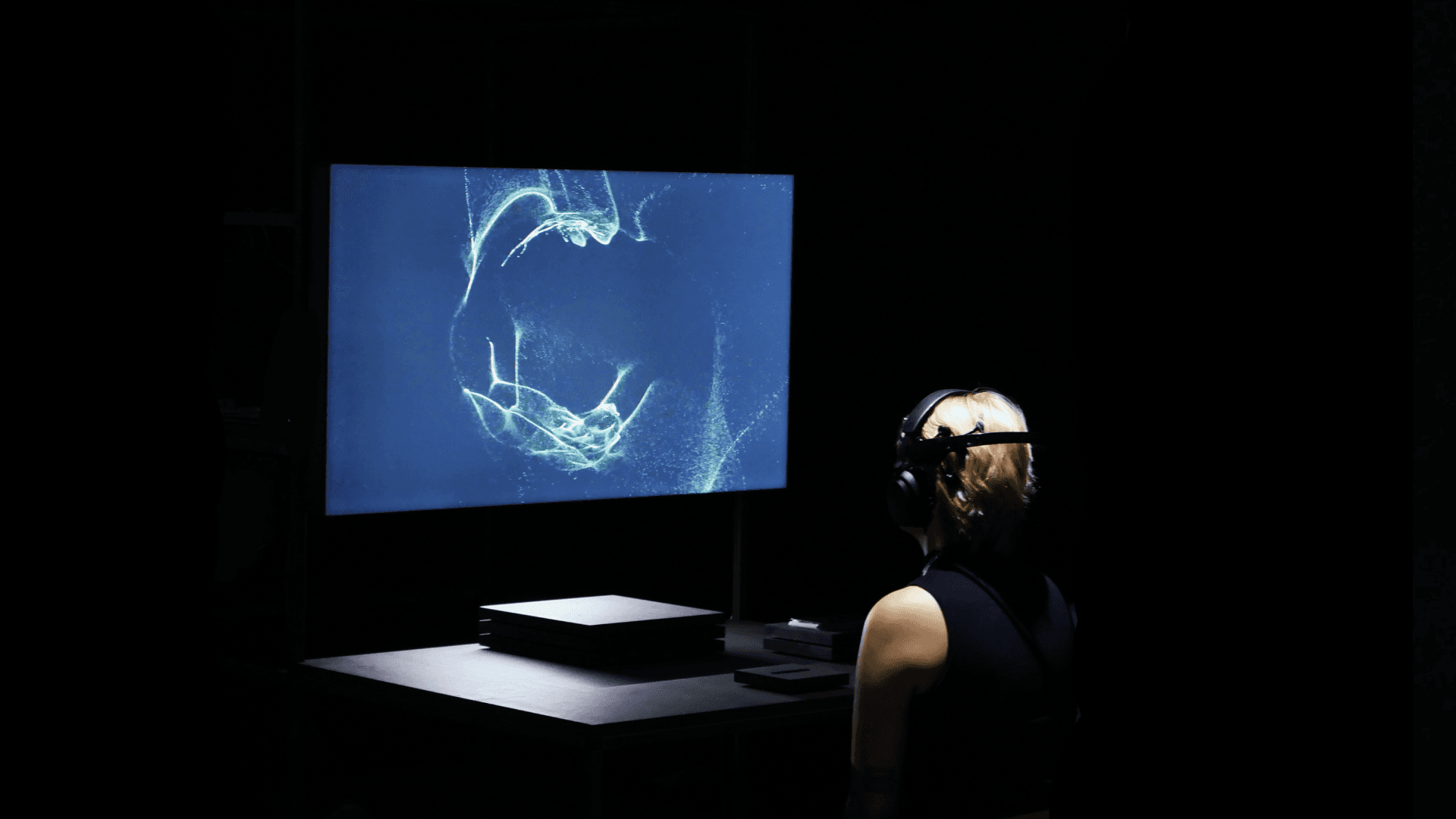
nexus combines EEG acquisition, signal processing, machine-learning inference and interface logic in one real-time system. Participants experience a simulated hiring process in which neural data is analysed and translated into an automated assessment.

I designed and developed the complete interaction and system logic connecting real-time EEG signals with machine-learning inference and responsive interface behaviour. This included defining the signal-processing pipeline, mapping model outputs to interaction states, developing the real-time visualization logic and integrating the individual layers into a coherent interactive system.
Year

Year

2024

2024

2024

Project Type

Project Type

/

/

/

Emerging Interfaces

Emerging Interfaces

Emerging Interfaces

/

/

/

Neurotechnology

Neurotechnology

Neurotechnology

Technical Scope

Technical Scope

/ Real-time EEG processing / neural signal classification / inference pipeline / adaptive interaction logic / live data visualization

/ Real-time EEG processing / neural signal classification / inference pipeline / adaptive interaction logic / live data visualization

/ Real-time EEG processing / neural signal classification / inference pipeline / adaptive interaction logic / live data visualization

System Architecture

System Architecture

/ Signal acquisition / preprocessing pipeline / ML inference layer / decision layer / interaction layer / visualization layer

/ Signal acquisition / preprocessing pipeline / ML inference layer / decision layer / interaction layer / visualization layer

/ Signal acquisition / preprocessing pipeline / ML inference layer / decision layer / interaction layer / visualization layer

Format

Format

Interactive BCI System

Interactive BCI System

Interactive BCI System

Role

Role

Design Engineer

Design Engineer

Design Engineer

nexus Real-time BCI system by Chantal Pisarzowski

About the project

About the project

An experimental brain–computer interface developed to test how neural signals can become an active input for interactive systems and automated decision processes.

An experimental brain–computer interface developed to test how neural signals can become an active input for interactive systems and automated decision processes.

An experimental brain–computer interface developed to test how neural signals can become an active input for interactive systems and automated decision processes.

nexus

Real-time BCI system

Neural inference in a simulated hiring process.

Neural inference in a simulated hiring process.

Experimental decision-making scenario

Experimental decision-making scenario

nexus Real-time BCI system by Chantal Pisarzowski
Dark gradiend background

In Cooperation with

Partner

Exhibited at

Ars Electronica

Featured in

Next-gen EEG system.

Live EEG

Real-time neural signal acquisition and processing.

EEGNet inference

Experimental machine-learning classification of EEG data.

Decision logic

Model output is translated directly into the interface outcome.

How you interact

How you interact

From neural signal to interface decision.

A real-time pipeline connects EEG acquisition, signal processing, machine-learning inference and interface logic. Neural activity is streamed from the headset, segmented and processed before being passed to an experimental EEGNet-based classifier. Its output is then translated through a decision layer and surfaced directly in the interactive interface.

01

nexus Simulated Interview

Simulated interview

02

nexus eeg recording

EEG recording

03

nexus real-time inference

Real-time inference

04

nexus automated decision

Automated decision

Watch showreel

(2024-26©)

Watch showreel

(2024-26©)

nexus Real-time BCI system by Chantal Pisarzowski

System architecture

Live EEG data moves through a layered pipeline from signal acquisition to model inference and interface decision. The system separates neural input, processing and decision logic into distinct stages, creating a clear path from raw signal to interactive output.

Each layer can be tested and iterated independently. Signal acquisition runs through the Cortex API, inference is handled by an EEGNet-based classifier, and the resulting output is compared with reference data before reaching the decision layer. This modular structure makes it easier to adjust individual components without rebuilding the full system.

System architecture

Live EEG data moves through a layered pipeline from signal acquisition to model inference and interface decision. The system separates neural input, processing and decision logic into distinct stages, creating a clear path from raw signal to interactive output.

Each layer can be tested and iterated independently. Signal acquisition runs through the Cortex API, inference is handled by an EEGNet-based classifier, and the resulting output is compared with reference data before reaching the decision layer. This modular structure makes it easier to adjust individual components without rebuilding the full system.

Input processingConversation engineResponse renderingUser speechSpeech-to-textTranscriptionEmotion & prosodyVoice cuesConversational AIContext · dialogue · responseKnowledge contextSource material · memorycontext retrievalText-to-speechVoice synthesisFacial animationLip sync · expressionAudio playbackGenerated speechAvatarresponseContinuous behaviourIdle animation · gaze alignment · spatial behaviour
Signal acquisitionModel inferenceDecision layerEEGinputRaw EEG dataLive neural signalCortex APISignal streamingPreprocessingFiltering · segmentationEEGNet inferenceNeural classificationTrait estimateExperimental model outputReference dataEEG from test subjectsreference comparisonDecision logicProfile → outcomeAcceptance /rejectionEEG captured while watching the reference film

Where it applies

Where it applies

BCI systems can support adaptive, assistive and experimental interfaces.

The same real-time pipeline can connect neural signals to different models, decision layers and interfaces. This makes it relevant as a prototyping framework for emerging forms of brain–computer interaction.

Neuroadaptive interfaces

Interfaces that adapt in real time to signals derived from neural activity.

Neuroadaptive interfaces

Interfaces that adapt in real time to signals derived from neural activity.

Assistive interaction

Neural input as an alternative interaction channel where conventional input is limited.

Assistive interaction

Neural input as an alternative interaction channel where conventional input is limited.

BCI research & prototyping

Experimental systems for testing EEG pipelines, interaction models and interface behaviour before real-world deployment.

BCI research & prototyping

Experimental systems for testing EEG pipelines, interaction models and interface behaviour before real-world deployment.

What it investigates

What it investigates

When neural data becomes part of automated decision-making, privacy is no longer limited to what we choose to reveal.

nexus uses hiring as a high-stakes scenario to examine the implications of neural inference. Who owns brain data? What should organisations be allowed to infer from it? How much trust should be placed in probabilistic model outputs? And what happens to individual agency when biological signals become part of machine-led decisions?

What it led to

What it led to

The prototype moved from an experimental BCI system into public discussion around neurotechnology, autonomy and cognitive privacy.

nexus was presented at Ars Electronica Festival and MANIFEST:IO, bringing the technical prototype into public contexts where visitors could directly experience the implications of neural data becoming part of automated decision-making.

Selected Exhibitions

Selected Exhibitions